
Pocket Rogues: Ultimate
EtherGamingRole Playing
4.61.06K Reviews
- Version
- 1.38.3
- Installs
- 100.00K
- Age Rating
- Teen
Screenshots
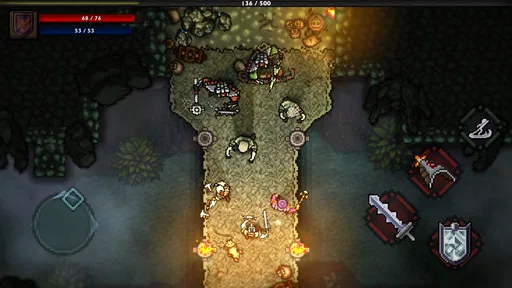
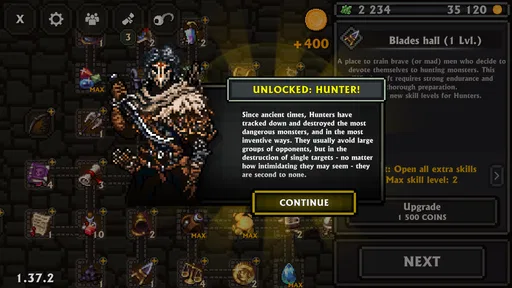
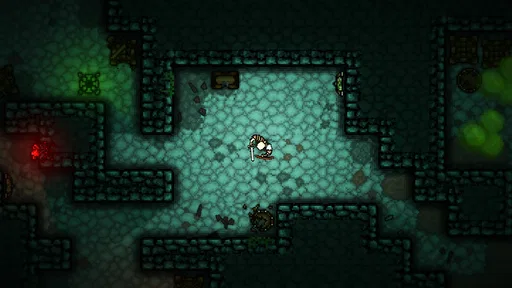
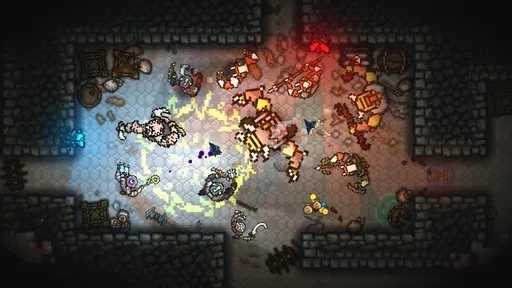
Our Review of Pocket Rogues: Ultimate
 Analysis by Appyee
For me, the appeal of Pocket Rogues: Ultimate is the way dungeon exploration turns into a series of small decisions: when to press forward, when to hold back, and what to spend before the next threat. It is a role-playing game built around action and repeat runs, but the pleasure is not only in fighting. I enjoy having to adjust my approach as a dungeon unfolds rather than relying on one routine every time.
A dungeon run built around changing decisions
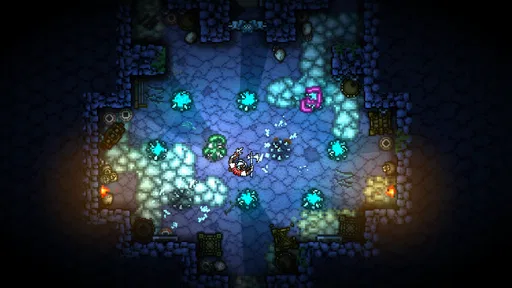
The central idea is easy to understand: explore, fight enemies, collect loot, and see how far a run takes you. The dungeons are procedurally generated, so a familiar class does not make every trip feel identical. I find that variation most useful when I treat each run as a fresh problem to solve, not as a fixed route to repeat. A change in what I encounter can make me rethink whether to move quickly, conserve resources, or take a more cautious approach.
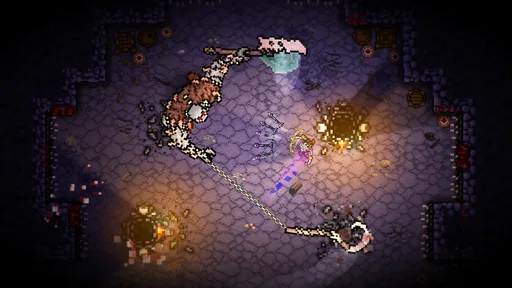
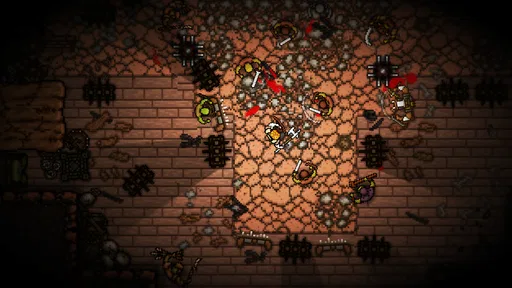
That structure gives the game a different rhythm from many mobile role-playing games that focus on a long, steady sequence of quests or battles. Here, the immediate challenge is what is in front of me, while the wider appeal comes from wanting to try again with a different plan. The pixel-art presentation keeps the action clear and readable, which matters when I am making quick decisions on a phone screen.
How the choices play out in practice
The class choice is more than a cosmetic preference. Each class has its own skills and playstyle, so switching classes gives me a reason to reconsider how I approach combat. A forceful approach may suit one character, while another encourages a different use of abilities and distance. I would not recommend choosing a class only because its description sounds powerful; it is more rewarding to find one whose pace feels comfortable on touch controls.
Combat asks for attention rather than constant forward movement. I learned that charging straight into enemies can turn a promising run into a short one. Watching how a fight is developing and choosing when to attack gives the action more shape than simple tapping. If you are new to the game, my practical advice is to slow down for the first encounters and notice how your chosen class handles them before trying to rush through a room.
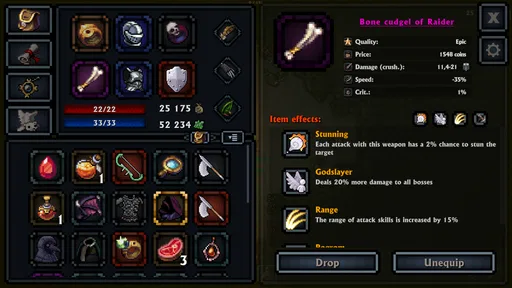
Resource management makes those decisions matter beyond the current exchange. Health, mana, healing potions, and inventory space all compete for attention. A useful habit is to pause briefly before using a scarce healing item: ask whether it prevents a likely failure now or whether you can manage the next encounter without it. Likewise, picking up every possible item is not automatically the best choice if space is limited. Thinking about what you actually need can be more valuable than treating loot collection as an end in itself.
Where it fits into an ordinary day
This is a good option for a short break when I want active play rather than a passive check-in. I can start a run, focus on a few rooms, and make meaningful decisions without needing to settle into a lengthy story session. That said, its combat and resource choices reward concentration, so I would not call it ideal for playing while distracted by messages or trying to do something else at the same time.
Imagine having a little time before an appointment. I would choose a class I already understand, enter a run, and use the opening encounters to warm up rather than immediately chasing risky fights. If the time is nearly up, I can stop at a natural pause instead of turning the session into a rushed attempt to reach a particular goal. The game suits that flexible pattern better than a role-playing game whose enjoyment depends on following a long conversation or remembering several quest threads.
For a longer session, the attraction changes. I may experiment with another class, pay closer attention to how I spend resources, and see whether a different plan carries me further. The same basic loop can support both kinds of play, but it is most satisfying when I give each run a small purpose: learn a class, practise safer combat, or see how much I can accomplish without wasting supplies.
What its replay loop offers—and what it asks of you
The procedural dungeons and class variety give repeated attempts a practical reason to exist. A failed run does not have to feel like a complete dead end if I can take away a lesson about timing, resource use, or the way a class handles pressure. I get more from the game when I treat an unsuccessful attempt as information instead of repeating the same approach and hoping for a different result.
There is also character progression, with upgrades and abilities that provide a longer-term sense of development. That can make returning feel worthwhile even when an individual dungeon trip goes badly. The trade-off is that players who prefer a clear, continuous story or a predictable route through a campaign may find the repeated-run structure less compelling. The focus is on the next attempt and on improving how you handle it, not simply on moving through a fixed narrative.
The sound effects add impact to attacks and spells, while the soundtrack supports the retro atmosphere. I appreciate that these details help combat feel more immediate without asking the visuals to be elaborate. The pixel art is part of the game’s identity, but it will not suit everyone: if you want modern, highly detailed graphics or a cinematic presentation, this is not the direction I would point you toward.
Who is likely to enjoy it most
I would recommend it to someone who likes action-focused dungeon crawling, enjoys experimenting with character classes, and is comfortable learning through repeated attempts. It also works for players who want a role-playing game that can be approached in separate sessions, rather than one that expects them to follow a long story every time they open it. The average rating is 4.6 from around 17,000 ratings, and it has passed 100,000 installs, which gives a sense of its audience without telling you whether its particular style will fit your tastes.
It is less suitable if you want forgiving combat, a mostly automatic experience, or a relaxed game to play without paying attention. The need to judge fights and protect limited resources is central to the appeal, but it can also be the point of friction. I would also steer someone toward a more story-led role-playing game if plot and character conversations matter more to them than repeated dungeon runs.
Getting Started: First Impressions
As soon as I fired up Pocket Rogues: Ultimate, I was greeted with a sense of nostalgia. The pixel art style instantly took me back to the classic games of my childhood. But don’t let the retro graphics fool you; there's a robust and modern game mechanic hiding under the hood.
The game kicks off with a simple tutorial, easing you into the mechanics without overwhelming you. I appreciated how it didn’t linger too long on training wheels, allowing me to jump into the action pretty quickly. The controls are intuitive, perfect for touch screens, which is crucial for an action-packed game like this.
Diving Deeper: Gameplay and Mechanics
So, what makes this game tick? It's all about exploring dungeons, battling hordes of enemies, and collecting a plethora of loot. The procedurally generated dungeons ensure that no two runs are the same, keeping things fresh and exciting. I found myself eagerly anticipating what each new level would bring.
One of the standout features is the variety of classes you can choose from. Each class has its unique skills and playstyle. Whether you prefer the brute force of a warrior or the magical prowess of a mage, there’s something here for everyone. I personally loved mixing it up, trying different strategies with each class.
Strategy and Survival
Now, let’s talk strategy. This isn’t just a hack-and-slash affair; you’ll need to think on your feet. The enemies in Pocket Rogues aren’t pushovers. I quickly learned that charging headfirst wasn’t always the best approach. There’s a satisfying depth to planning your attacks and timing your movements.
Resource management is another critical aspect. Balancing your health, mana, and inventory space adds an engaging layer of strategy. It’s all about making the right choices, like when to use that precious healing potion or whether to save it for a potentially tougher encounter.
Graphics and Sound: A Nostalgic Touch
Visually, the game doesn’t try to be anything other than what it is—a love letter to the retro era. The pixel art is charming and vibrant, bringing the dungeons and characters to life with a delightful simplicity. The soundtrack complements the visuals perfectly, with tunes that are both catchy and atmospheric.
One thing I particularly enjoyed is the attention to detail in the sound effects. Each swing of the sword and magical spell cast has a satisfying auditory punch. It’s those little details that make the experience so immersive.
Long-Term Engagement: What Keeps You Coming Back
So, what keeps you hooked? For me, it’s the endless replayability. The game’s roguelike nature means each run is a new adventure. The urge to beat my previous best score or discover a new secret in the dungeons had me coming back for more.
There’s also a progression system that lets you upgrade your characters and unlock new abilities. Building a formidable character over time is immensely satisfying, providing a sense of growth and achievement.
And let’s not forget the community challenges and online leaderboards. Competing with friends and other players globally adds a fun competitive edge to the experience.
Final Thoughts
In the world of mobile gaming, Pocket Rogues: Ultimate stands out as a gem for those who love a good challenge wrapped in a nostalgic package. Its blend of strategic depth, charming visuals, and endless replayability make it a must-try for any dungeon crawler enthusiast.
Whether you’re a seasoned gamer or a casual player looking for something new, this game offers a rewarding experience that’s easy to pick up but hard to put down. So grab your gear, choose your class, and dive into the dungeons. Who knows what treasures and challenges await?
Price, access, and a final practical check
One decision to make before downloading is whether the paid entry point fits how you play. The game costs $5.99, with optional in-app purchases ranging from $2.49 to $48.99 per item. I would approach those purchases as optional extras rather than a reason to start spending immediately: first see whether the core loop, class choices, and repeated dungeon runs hold your attention. If you prefer to know exactly what you are committing to, check the purchase details in the store before buying.
EtherGaming is the developer, and the game is rated Teen. It was released on October 16, 2017, and the current version is 1.38.2; Android support starts at version 6.0. Those details make it easier to judge compatibility and suitability, especially if you are considering it for a younger player. The age rating is a useful guide, but I would still make the decision based on the person’s comfort with action and combat.
Compared with more conventional mobile RPGs, this is a better fit when you want direct control and replayable dungeon challenges than when you want a carefully paced story, automatic battles, or a relaxed collecting routine. That distinction is the clearest way to decide: if learning a class and making tactical choices sounds satisfying, the price may feel worthwhile; if you mainly want narrative progression or low-pressure play, another kind of role-playing game will probably suit you better.
My strongest recommendation is to give the early runs room to teach you. Pick one class, avoid spending resources just because they are available, and pay attention to which situations make you take unnecessary risks. Once you understand your own habits, changing classes becomes a meaningful experiment rather than a random switch. That small approach makes the game’s central loop easier to appreciate and helps you decide whether you want to keep returning.
Verdict
Strengths of Pocket Rogues: Ultimate
- Engaging retro pixel graphics.
- Smooth and responsive gameplay.
- Varied character classes.
- Challenging dungeon levels.
- Frequent updates and improvements.
Limitations of Pocket Rogues: Ultimate
- Limited in-game tutorials.
- Can be repetitive over time.
- In-app purchases can be pricey.
- Occasional connectivity issues.
- Some bugs affect gameplay.
Similar Picks in This Category
View All
Hair Dye
CrazyLabs LTD4.4

Monster High™ Beauty Salon
CrazyLabs LTD4.5

Bus Simulator - Bus Games 3D
Jima Apps4.4

Flight Pilot: 3D Simulator
Wildlife Studios4.1


Super Stylist Fashion Makeover
CrazyLabs LTD4.4
Frequently Asked Questions
What is Pocket Rogues: Ultimate and how does it differ from the standard version?
Pocket Rogues: Ultimate is a premium version of the popular roguelike dungeon crawler game. Unlike the standard version, it offers additional content, features, and no ads. Players get access to all future updates and expansions without any extra charges. The ultimate version is ideal for those who want a comprehensive and uninterrupted gaming experience.
Are there any in-app purchases in Pocket Rogues: Ultimate?
No, Pocket Rogues: Ultimate eliminates the need for in-app purchases, providing a complete experience upon purchase. This version ensures that players can enjoy all the game’s features, dungeons, and expansions without additional costs. It’s designed for those who prefer a one-time payment model over ongoing microtransactions.
What platforms is Pocket Rogues: Ultimate available on?
Pocket Rogues: Ultimate is available on both Android and iOS devices. It provides a seamless gaming experience across these platforms, allowing users to enjoy the game on their preferred mobile device. The game supports various screen sizes and resolutions, ensuring compatibility and a smooth user interface.
Is Pocket Rogues: Ultimate suitable for beginners?
Yes, Pocket Rogues: Ultimate is suitable for both beginners and experienced players. It features a tutorial that guides new players through the basic mechanics and controls. The game’s difficulty level can be adjusted, allowing beginners to gradually learn while still providing a challenge for seasoned players.
Does Pocket Rogues: Ultimate require an internet connection to play?
No, Pocket Rogues: Ultimate does not require an internet connection to play. It’s designed as an offline game, making it perfect for playing on the go without relying on Wi-Fi or mobile data. However, an internet connection is needed for downloading updates or accessing certain online features.
Play our best games!


